Which ultrasound system should you choose for your practice in 2026? A practical guide for physicians
Planning to buy or replace an ultrasound system? Find out what to pay particular attention to, from choosing transducers and imaging modes to mobility and a guarantee of technical support. Learn the key criteria and make the right decision for your practice.
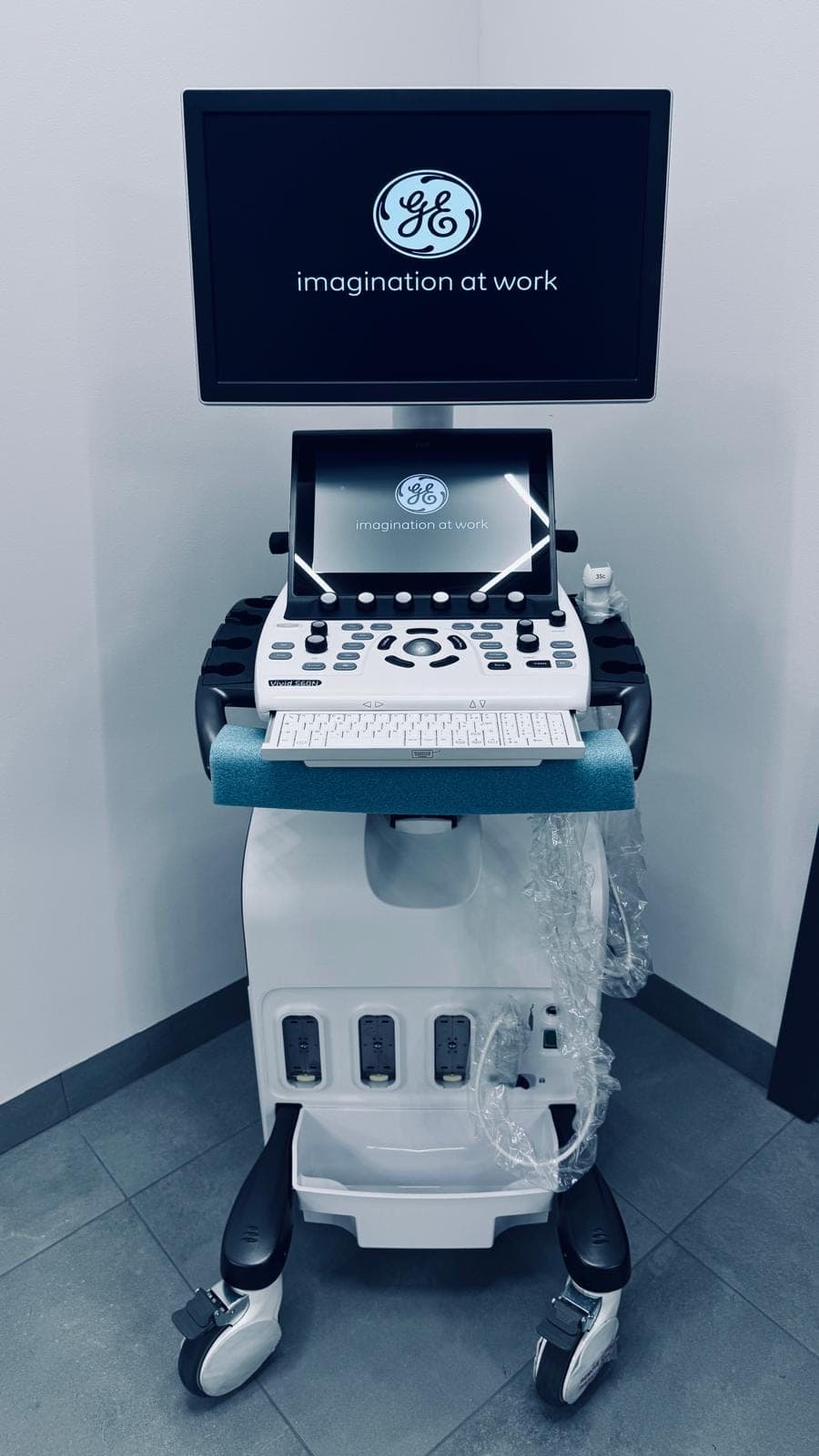
Setting up a medical practice or healthcare facility requires equipment decisions that will serve you for years. An ultrasound scanner is one of the most important diagnostic tools in everyday medical practice, whether you run a gynaecological, cardiology, orthopaedic or general practice. The market for diagnostic devices is developing rapidly, offering solutions ranging from compact portable units to advanced stationary systems. How do you avoid getting lost among technical parameters and choose a model suited to your needs?
Key criteria for choosing an ultrasound scanner
Before you start browsing offers, it is worth precisely defining the diagnostic profile of your facility. Musculoskeletal ultrasound requires different features than Doppler diagnostics of blood vessels or obstetric examinations.
1. Types and quality of ultrasound transducers
The transducer is the most important and at the same time the most sensitive part of every ultrasound system. It largely determines the resolution and the penetration depth of the signal.
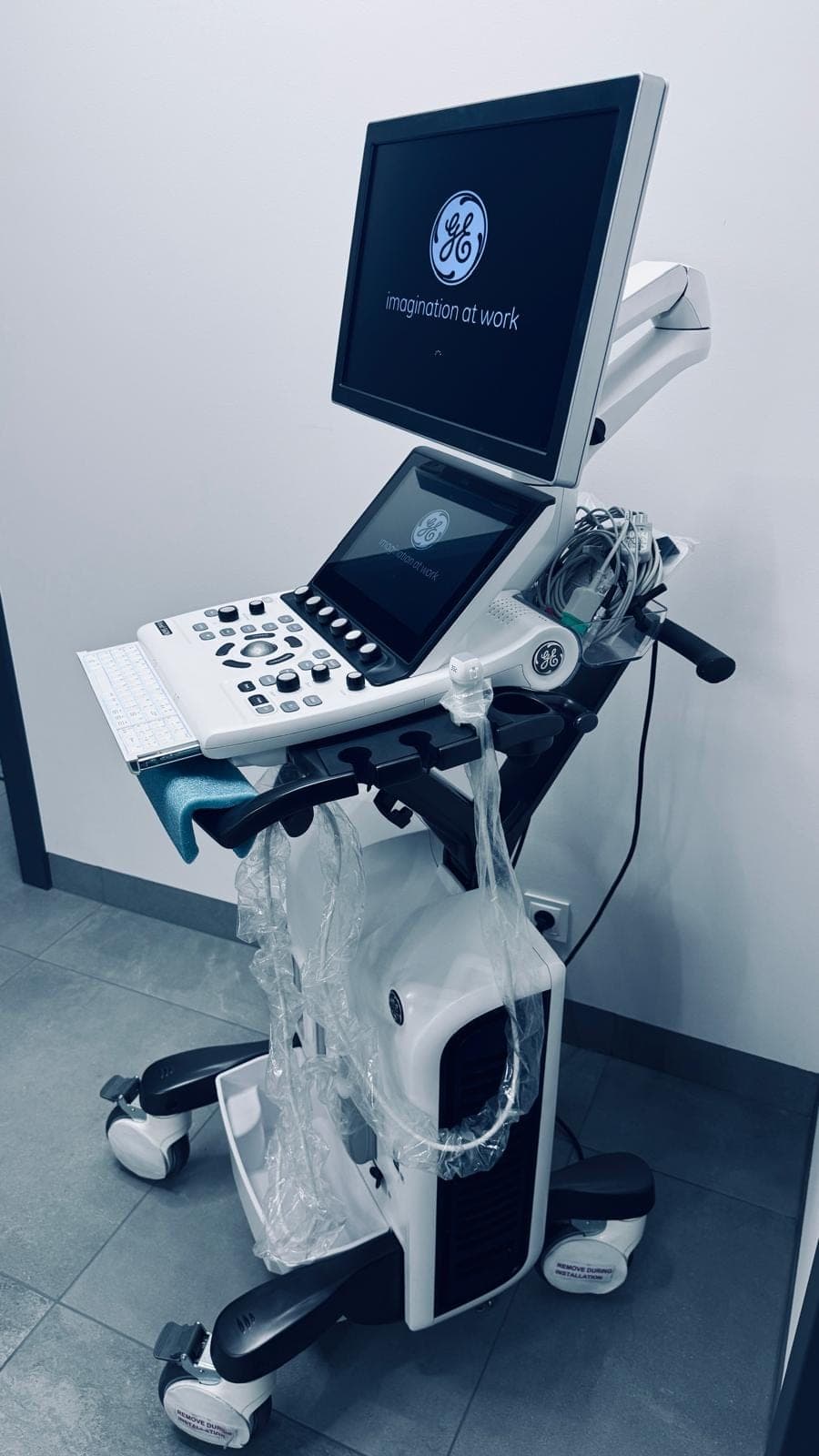
When putting together a set, pay attention to the basic types of transducers:
- Convex transducers: Indispensable in abdominal diagnostics and in obstetrics thanks to a wide field of view at greater depth.
- Linear transducers: Offering high frequency, ideal for examinations of superficial organs (thyroid, breasts, musculoskeletal system MSK).
- Sector transducers (phased array): Dedicated to cardiac examinations, allowing imaging through narrow acoustic windows (intercostal).
- Volumetric transducers (3D/4D): Particularly valued in gynaecology and obstetrics for three dimensional fetal imaging.
Tip: Buying additional transducers significantly increases the cost of the set. If you are starting your practice, invest in 2 or 3 top quality transducers matched to your most frequent examinations instead of buying a set of many cheaper substitutes.
2. Image quality and advanced operating modes
Modern ultrasound systems offer a wide range of algorithms supporting diagnostics. A clean B-mode image is the foundation, but practical value is determined by additional features:
- Color, tissue and Power Doppler: Key for assessing vascular flow.
- Noise and artefact reduction (Speckle Reduction): Improves contrast and the sharpness of tissue boundaries.
- Elastography: Allows assessment of tissue stiffness, which makes diagnosing focal lesions easier (e.g. in the breasts or thyroid).
Mobility or a stationary system?
The two main types of ultrasound scanner design suit different ways of working:
- Stationary systems: Offer larger monitors, more extensive control panels, more computing power and the option of connecting 3 or 4 transducers at once. They are ideal for permanent practices and clinics.
- Portable systems (portable / laptop / handheld): Provide full mobility, fast start up and battery operation. A great solution for home visits, work on hospital wards or in emergency medicine.
Service and after sales support: what do we often forget?
The purchase price of an ultrasound system is only part of the investment. Equally important is the continuity of the device's operation and the availability of professional technical support. Equipment failure during patient appointments means financial and reputational losses.
When choosing a supplier, make sure they provide:
- Fast service response times and replacement units available for the duration of the repair.
- Regeneration and repair of ultrasound transducers (which is much cheaper than buying a new transducer).
- Regular technical inspections in line with medical device regulations.
- Operating training for medical staff.
In summary
The choice of the ideal ultrasound system depends on the specifics of your practice, your budget and your individual preferences regarding ergonomics. Do not go by the brand alone: what matters is matching the transducer parameters and software and the guarantee of reliable servicing. Looking for reliable equipment or need expert technical advice? Contact the Medical Service team or see our offer https://medicalservice-med.com/en/catalog. We will help you choose an ultrasound scanner suited to your needs or keep your current system in good working order.